Our Approach
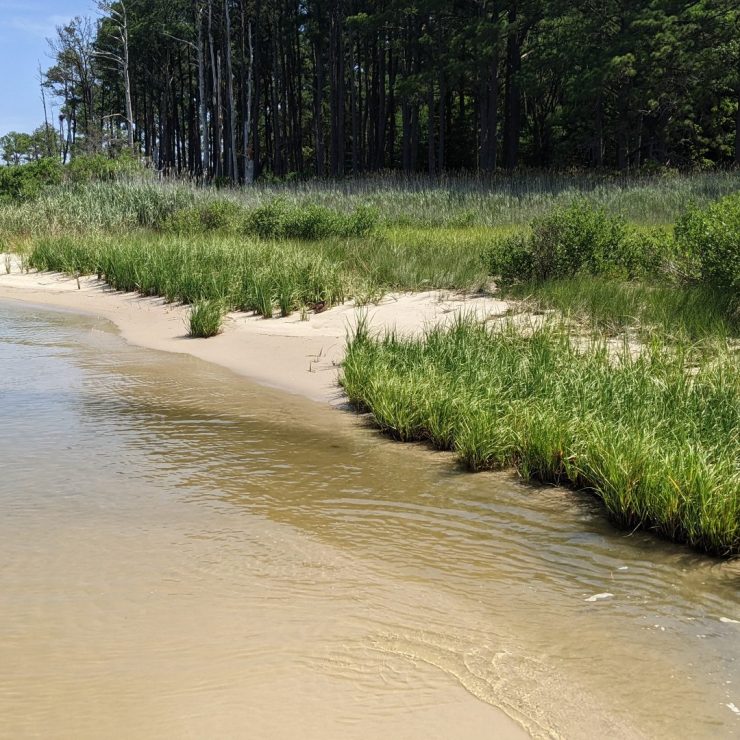
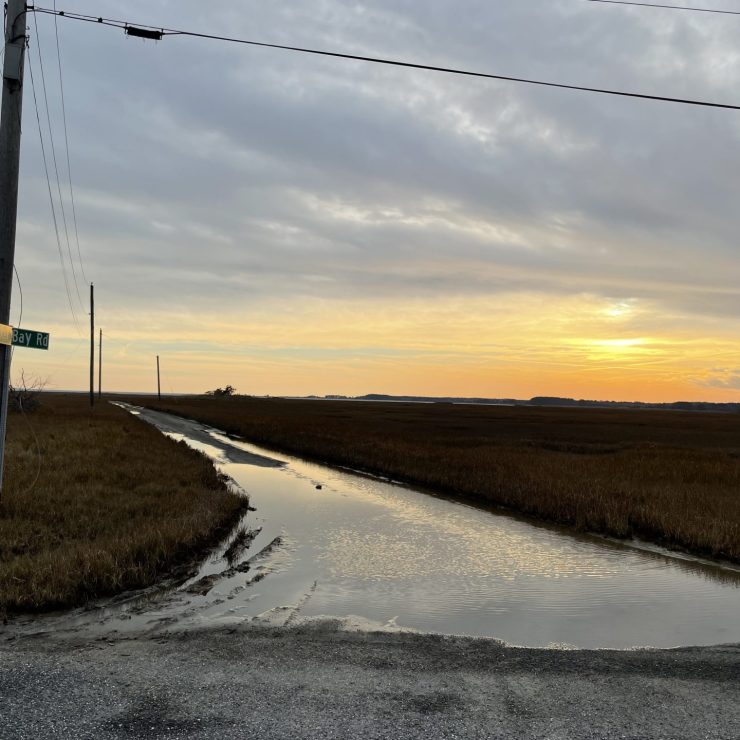
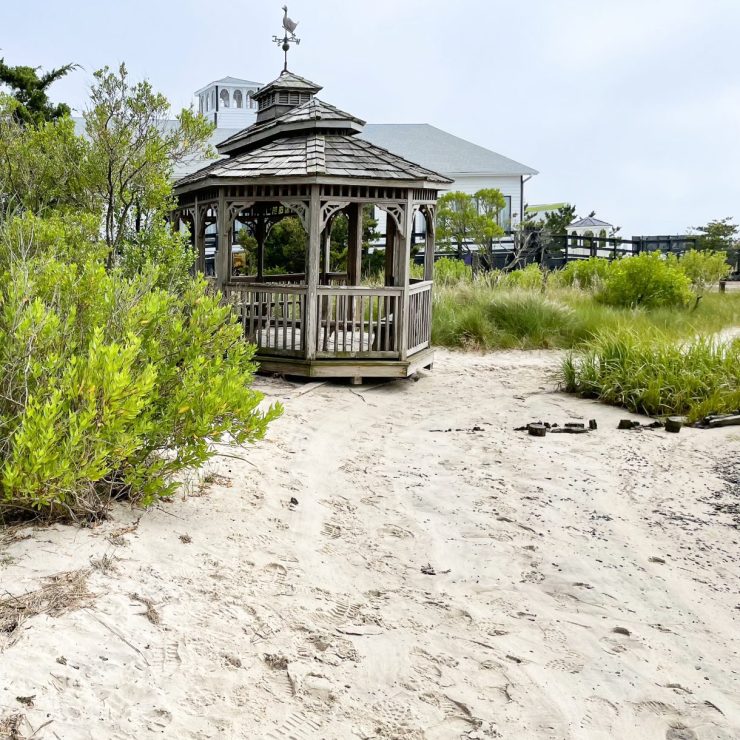
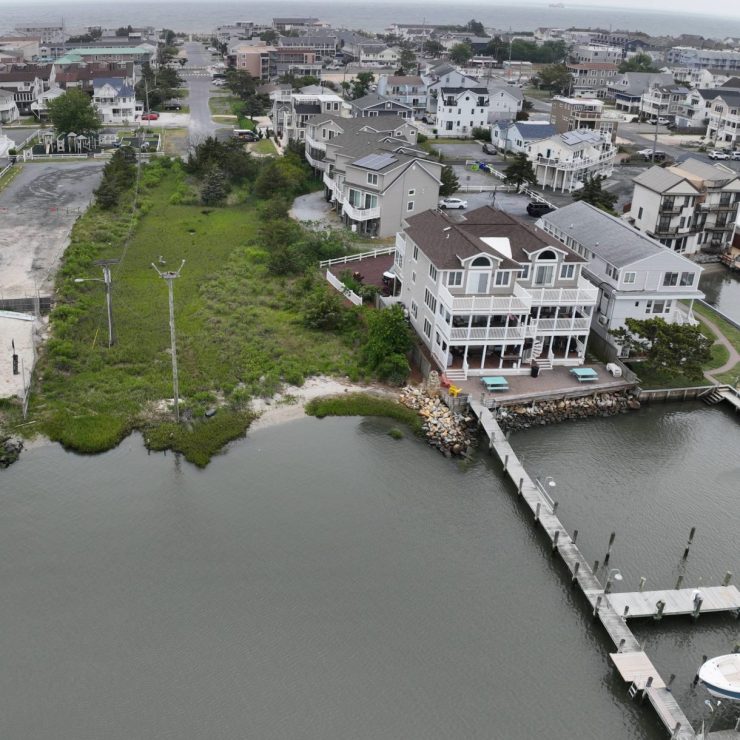
Straughan’s efforts in Sunset Park have emphasized comprehensive marsh restoration alongside addressing flooding, shoreline erosion, and habitat loss along Rehoboth Bay. Straughan is conducting data collection, desktop shoreline assessments, and field investigations to document existing conditions and impairments. The team is incorporating a 100-linear-foot wave attenuation reef, a 450-linear-foot living shoreline, and stormwater infrastructure upgrades into the final design. A primary focus is restoring tidal marsh functions through regrading, planting native marsh vegetation, and enhancing tidal exchange to combat habitat loss. The team has initiated invasive species removal and native plantings to stabilize the ecosystem. Straughan is progressing through the 60% permit design phase, developing detailed plans, construction cost estimates, and pollutant load reduction calculations to ensure the integration of marsh restoration techniques. The team is also finalizing 100% design plans, addressing feedback, and preparing permit exhibits. This project fosters ecological resilience and provides sustainable coastal protection, enhancing habitat connectivity and marsh functions critical for biodiversity in Dewey Beach. The primary goals for the project are:
- Long-term, resilient, nature-based stabilization for the shoreline;
- Enhancement of shoreline and nearshore habitat and marsh and associated ecological functions; and
- Water quality benefits.
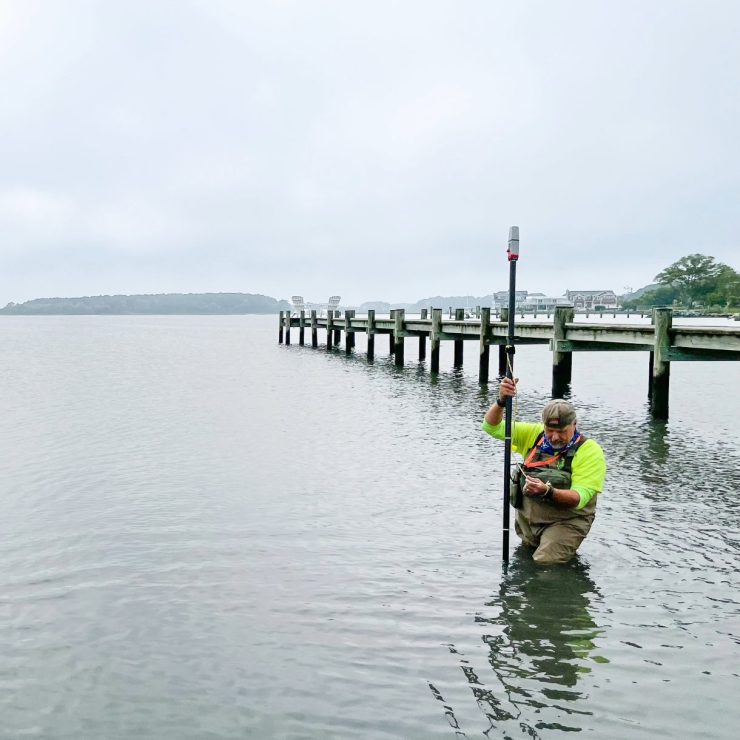
Thus far, Straughan has provided data collection, desktop shoreline assessments, field data collection, data analysis and development of concept design solutions for shoreline stabilization. Field data collection included aerial photography using drone. We have also prepared 30% and 60% design plans and construction cost estimates for the entire project length and have prepared 100% plans, specifications and construction cost estimates for Phase 1. As an accepted Total Maximum Daily Load (TMDL) implementation strategy for both nutrient and sediment load reduction, State and local jurisdictions are increasingly turning to nature-based shorelines as a stabilization technique along tidal waters. Nature-based shorelines projects protect shorelines from erosion while maintaining natural shorelines processes that increase water quality and sustain living resources.