By: Lauren McMahon, CEP-IT
As a Noise Analyst, I am always looking for opportunities to capture some fun noise data.
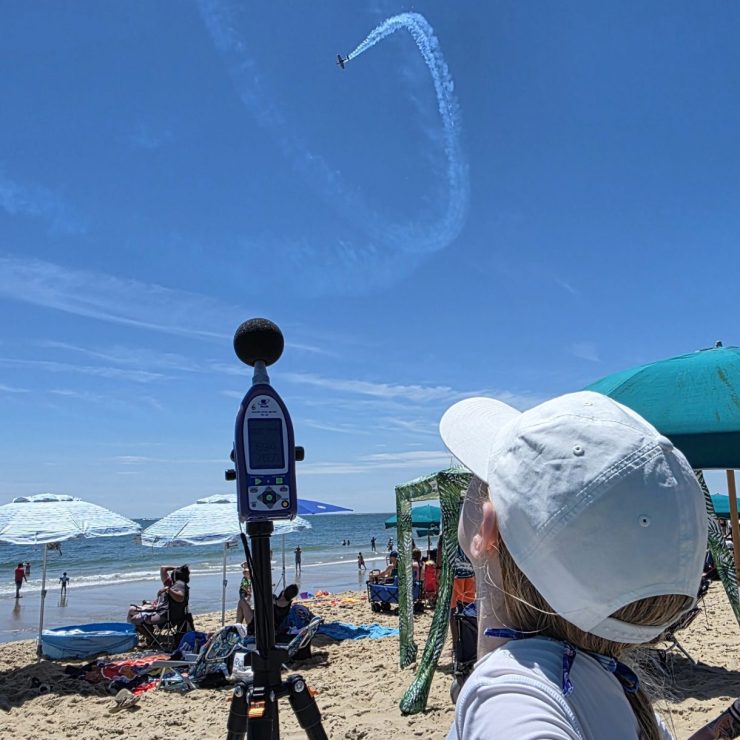
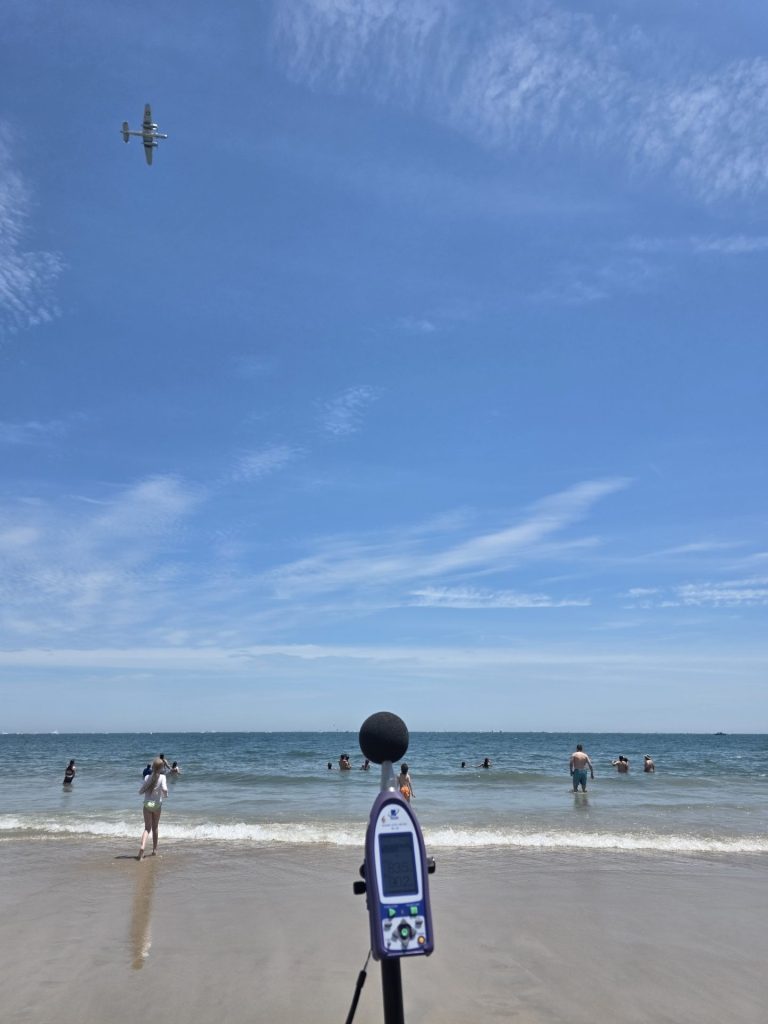
When my family and I attended the Air Show in Ocean City, Maryland, I couldn’t resist turning the day into an acoustics field experiment. In hand with my Rion NL-42 sound level meter, I spent the day capturing noise measurements from the beach while some of aviation’s most impressive aircraft put on a spectacular show overhead.
As someone who has spent a career working with environmental noise, I find it fascinating to connect the numbers on a sound level meter with the real-world experience of sound. Air shows offer a perfect opportunity to do exactly that. As expected, the results were impressive.
Peak Noise Levels Recorded:
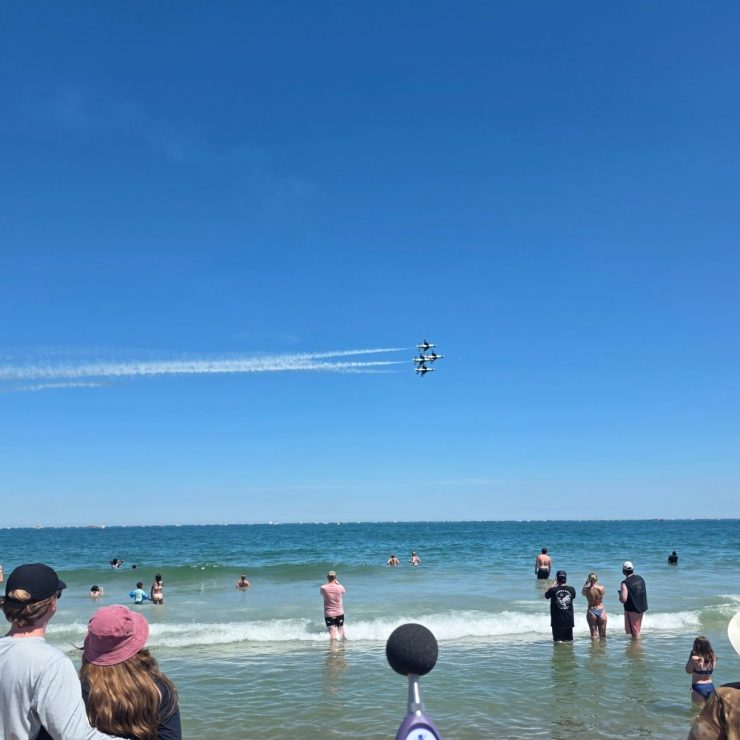
✈️ Thunderbirds (F-16 Fighting Falcons): 140 dB(A)
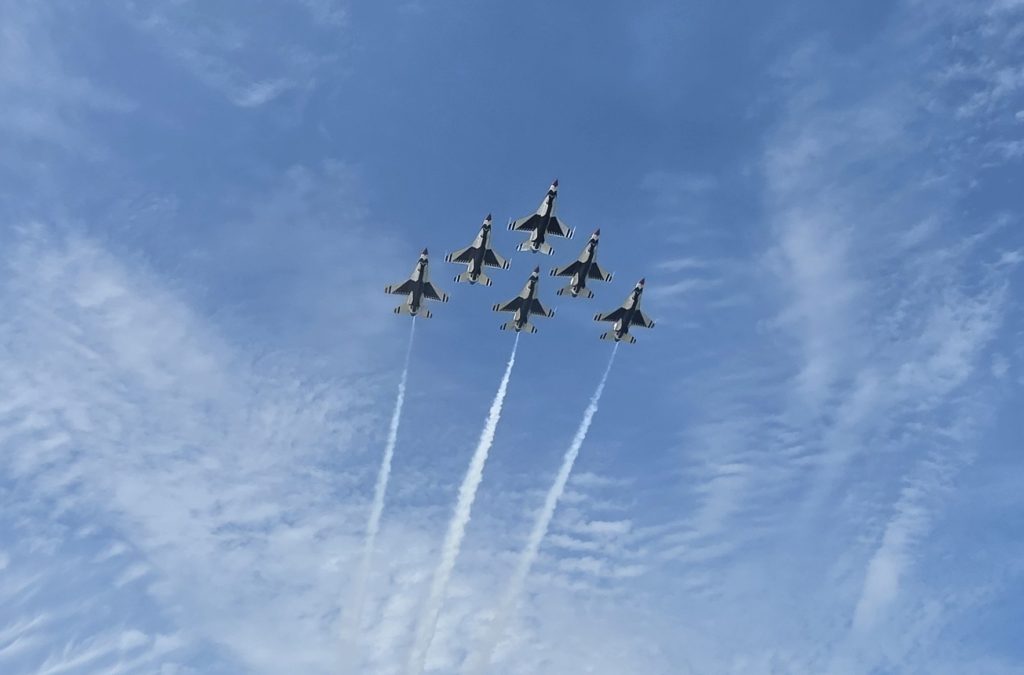
✈️ F-35A Lightning II: 136 dB(A)
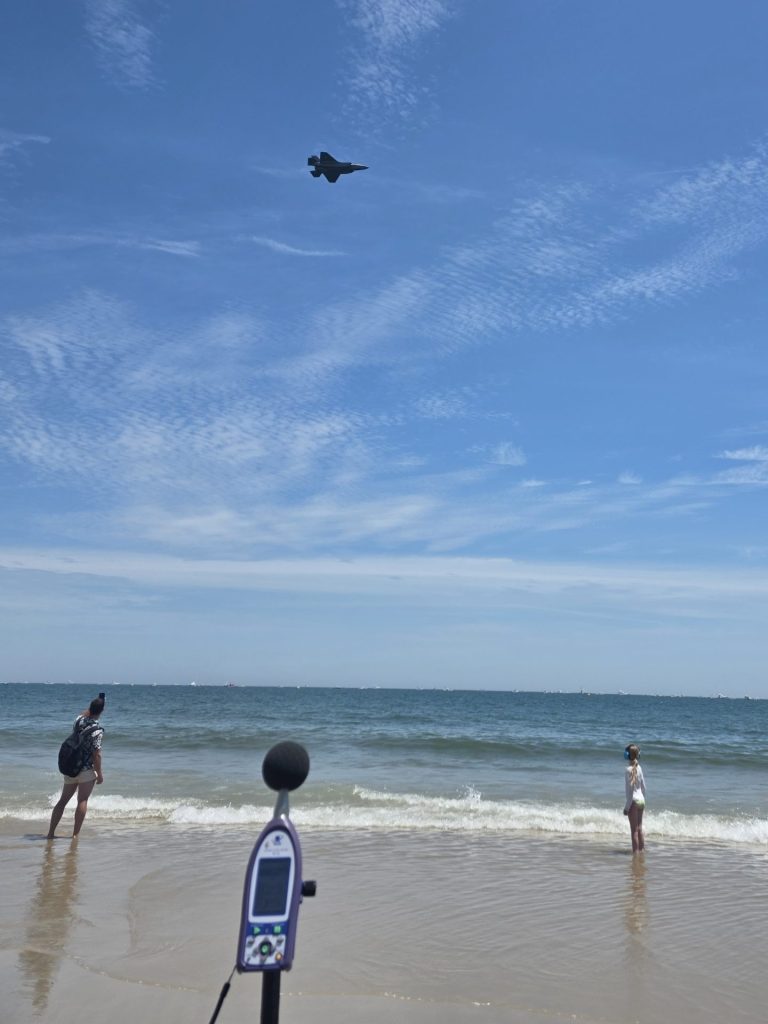
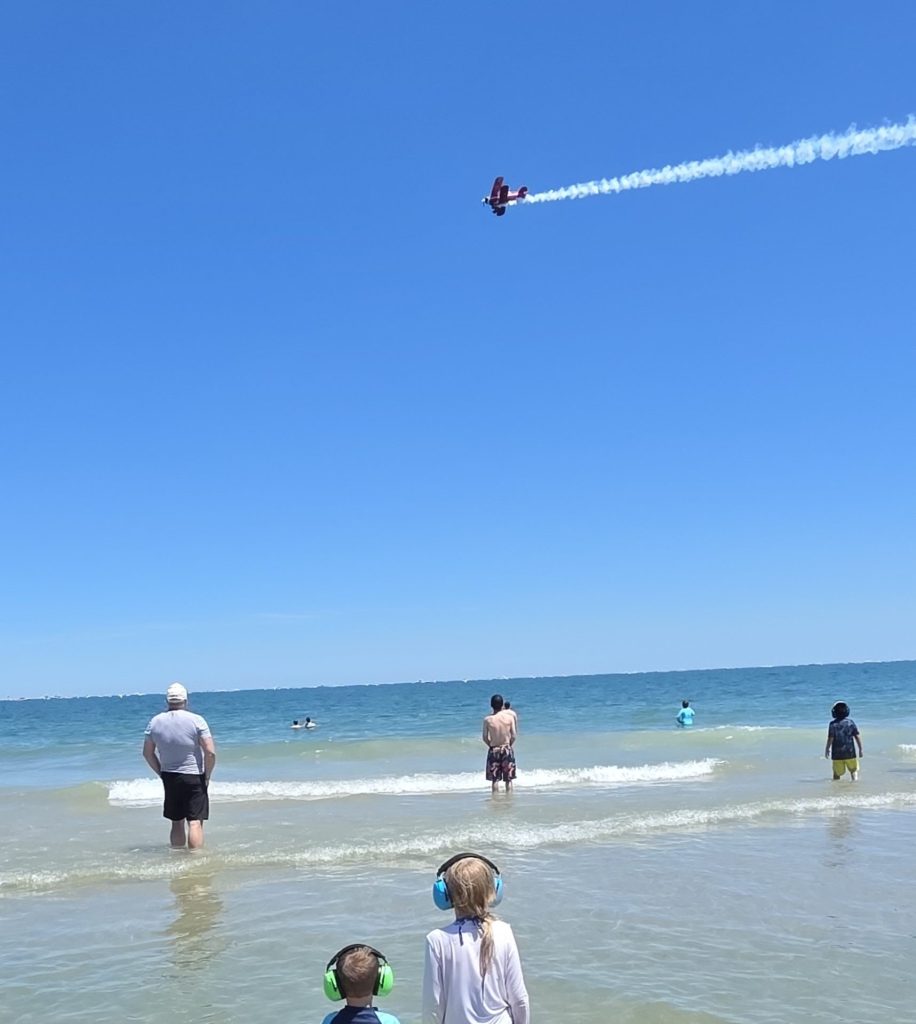
✈️ Rooster Aerobatics (Pitts S2-B): 118 dB(A)
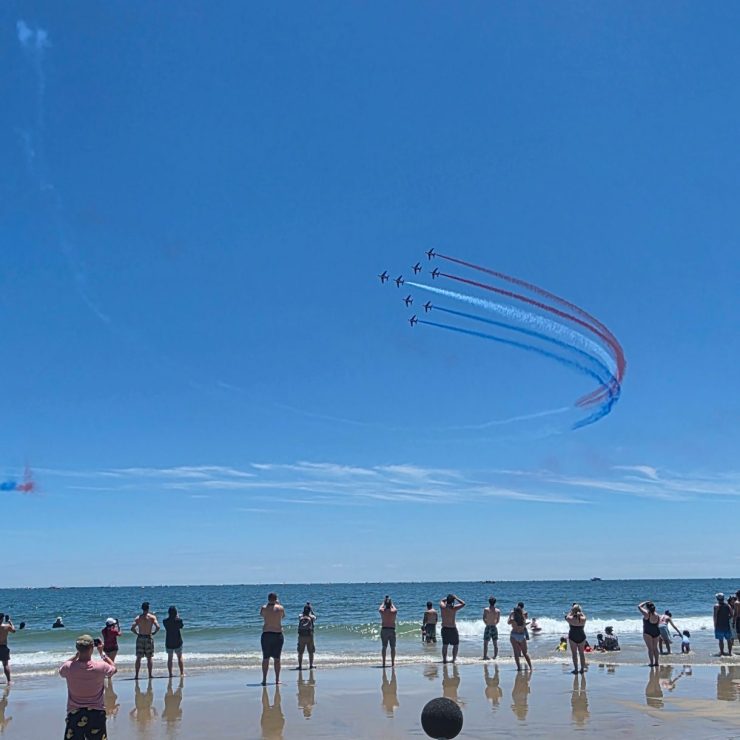
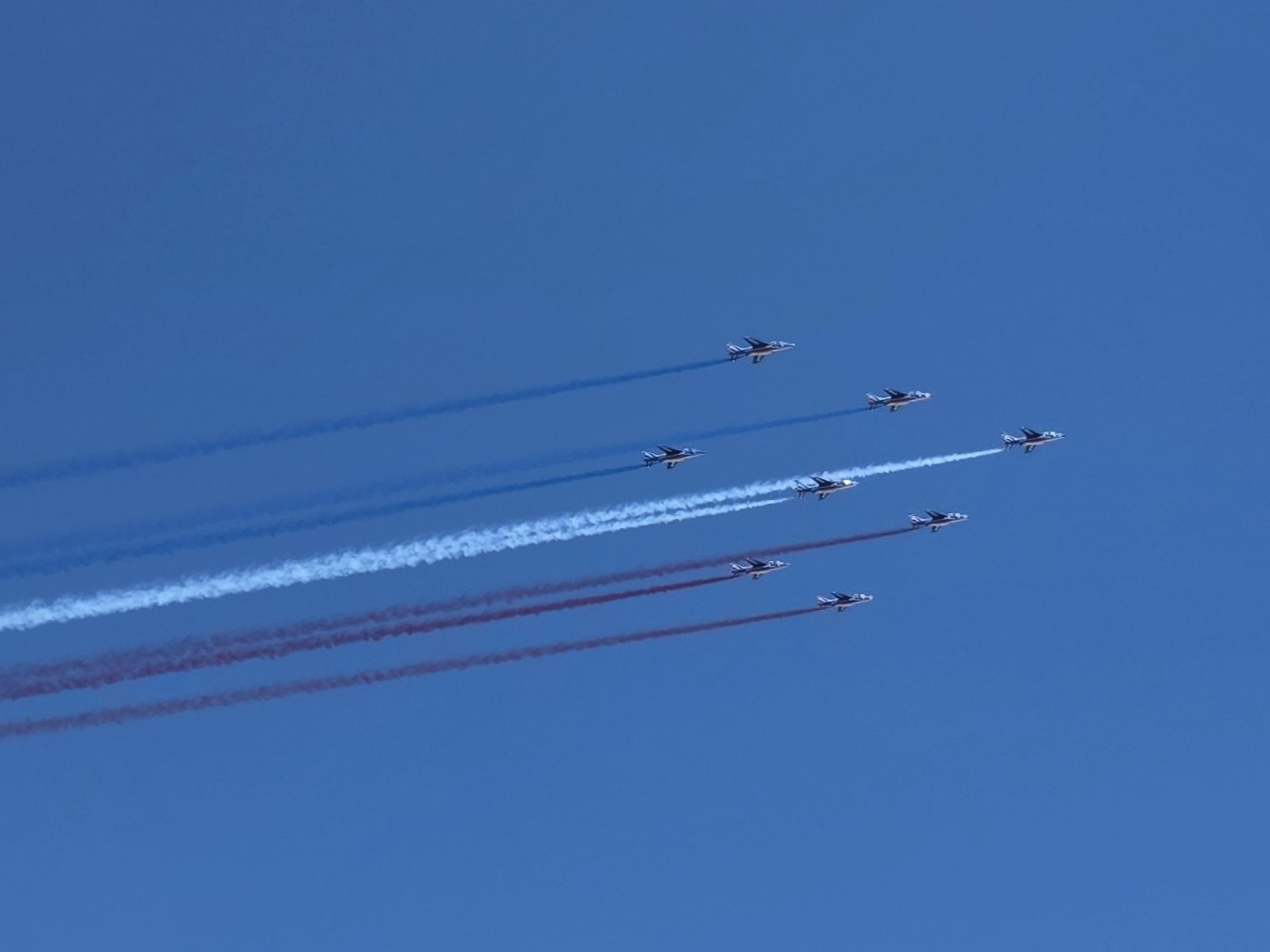
✈️ Patrouille de France: 114 dB(A)
✈️ B-25J Mitchell: 107 dB(A)
✈️ Airbus Transport Aircraft (A400M Atlas): 103 dB(A)
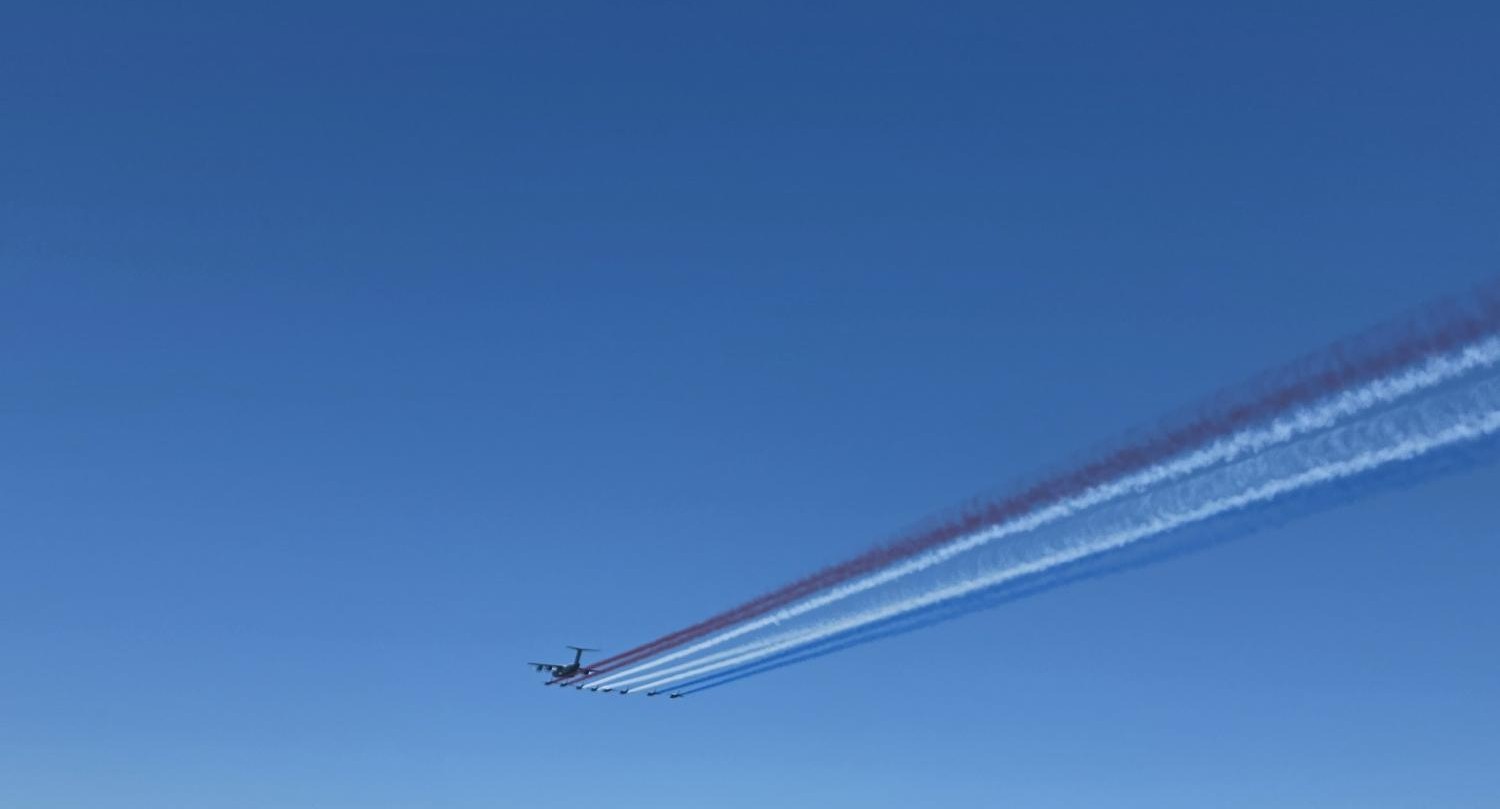
The Thunderbirds delivered the loudest measurement of the day at 140 dB(A), with the F-35 a close second. Watching them perform, you could feel the energy from the engines while watching the noise levels spike on the meter. Seeing that experience reflected in the measurements was exciting.
As a noise professional, I wasn’t the only one prepared for the day’s acoustics. My kids came equipped with earmuffs rated at 37 dB Noise Reduction Rating (NRR). While I was capturing the data, we were also demonstrating another important part of noise management: protecting hearing while still enjoying the experience. My daughter even became my official field assistant, keeping an eye on the sound level meter and getting excited as the readings changed with each aircraft pass. It was a good reminder that understanding sound isn’t just about measuring it. It’s also about knowing how to reduce exposure when necessary.
One of the things I find most interesting about noise is how many factors can influence what we measure. During the air show, every flyover was affected by altitude, speed, aircraft orientation, engine thrust, atmospheric conditions, and flight maneuvers. The result was a constantly changing acoustic signature that made each pass unique and reinforced the importance of understanding the context behind the numbers.
Experiences like this are one of the reasons I’ve always enjoyed working in acoustics. Noise isn’t just a regulatory requirement or a number in a report. It’s physics, engineering, and human perception all working together to tell a story. And sometimes, it’s spending a beautiful day at the beach with your family, watching impressive aircraft, sharing your passion for acoustics with the next generation, and collecting noise data just for fun.